
The Next Steps in AI Track 2026
Hosted by AIToday Live and organized by Brainport Development, the Next Steps in AI Track looks beyond today’s AI applications and explores what AI means for the future of work, talent, and economic growth. Through inspiring keynotes and discussions, we will explore the choices that need to be made today to prepare people, organizations, and society for the next phase of AI-driven transformation.
Together, we will examine how collaboration between humans and AI can strengthen productivity, innovation, and prosperity, while ensuring that technological progress continues to serve human needs and societal goals.
This track will be in Dutch with automatic translation into English on screen.
Timetable 2026
11:45 | Welcome and opening track - AIToday Live |
11:50 | Duotalk: Naomie Verstraeten - Brainport Development & Tessa Bruijne - TNO |
12:10 | Matthijs Bouman |
12:55 | Wrap-up morning |
13:00 | Lunch break and Expo |
14:15 | Opening afternoon track - AIToday Live |
14:25 | Freek Janssen - Philips Museum |
14:40 | Jeroen Panken - Deloitte Digital |
15:10 | Intermezzo: A retirement I haven't given yet! - AIShow Live |
15:25 | Koert van Mensvoort - Next Nature Museum |
15:55 | Wrap-up and closing track |
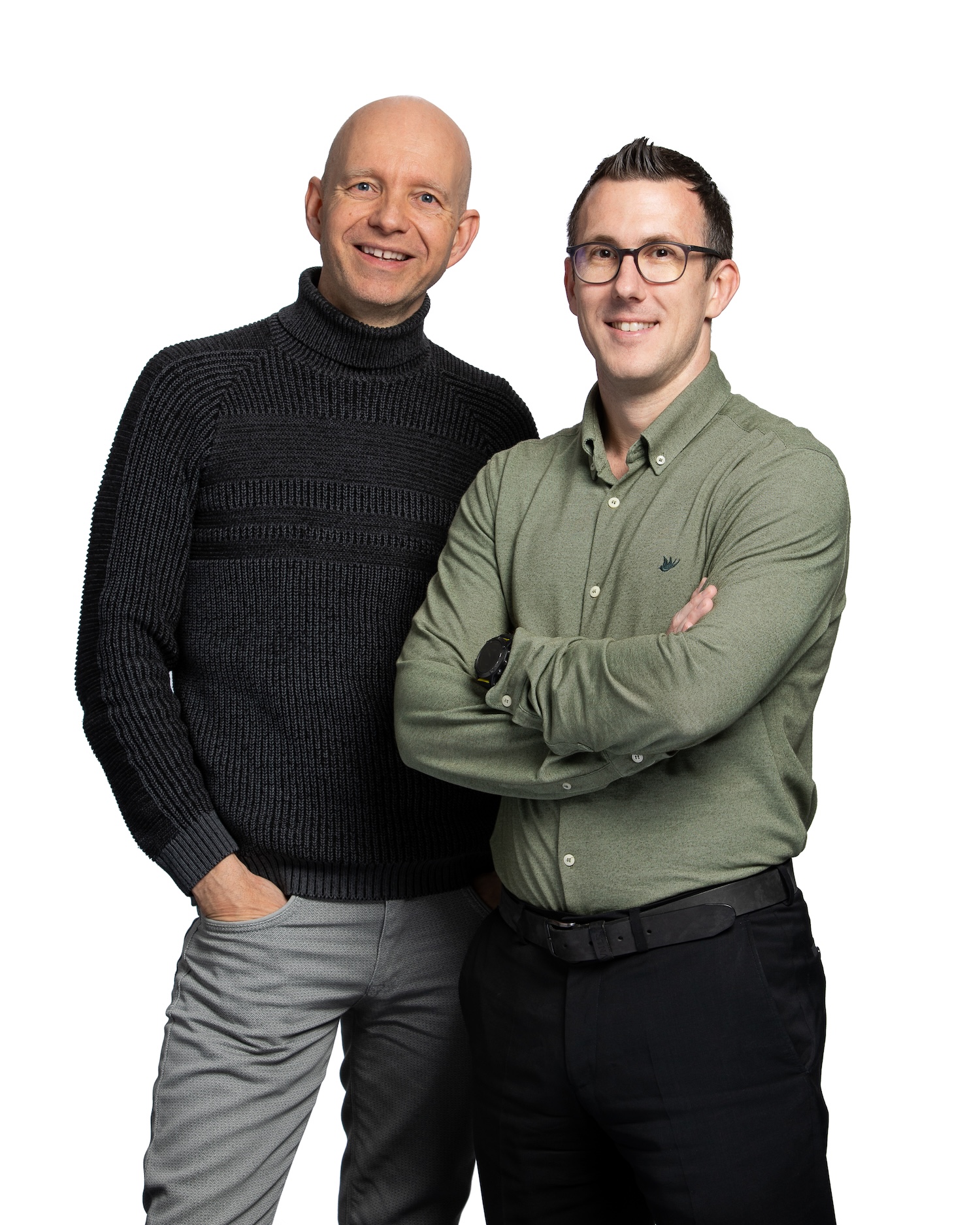
Joop Snijder & Niels Naglé
Moderators of today
AIToday Live: Beyond the Hype, Into Practice
In AIToday Live, professionals from the Netherlands and Belgium share their real-world experiences with AI. Through authentic stories, they explain how their organizations are using AI and what they have learned along the way. Our guests discuss both their successes and the challenges they encountered, offering practical insights in an accessible and engaging manner.
The conversations provide a clear view of what AI can achieve in practice, allowing you to learn from the experiences of others and gain concrete ideas for your own organization. While the discussions are in-depth, they remain free from technical jargon, making them accessible to a broad audience.
AIToday Live is for anyone curious about how AI is being applied in the real world and the value it can deliver.
We look forward to be your host for this track.
Image: Norbert Waalboer Fotografie

The Next Steps in AI at Work
Duotalk
Together, Naomie and Tessa will discuss what these developments mean for companies today. How can organisations translate AI from experimentation into tangible business value? Which capabilities are needed to stay productive and resilient? And how can businesses ensure that technology strengthens both competitiveness and the workforce?
Combining regional innovation perspectives with cutting-edge research insights, this session will offer practical guidance for leaders, entrepreneurs and professionals who want to understand not only where AI is heading, but why taking action now is becoming a strategic necessity.
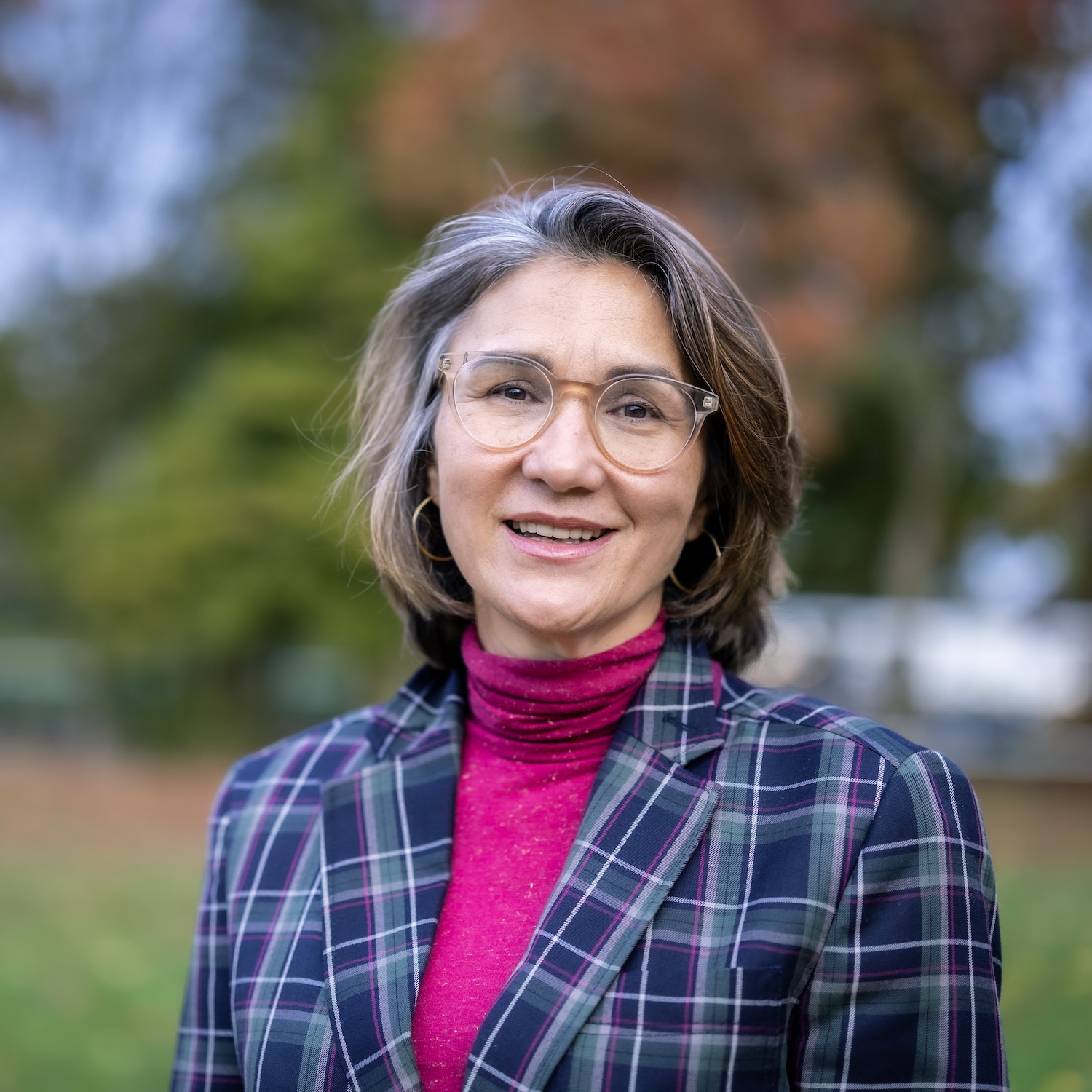
Naomie Verstraeten
Chief Innovation & Technology - Brainport Development
As Chief Innovation Officer at Brainport Development, Naomie Verstraeten works at the intersection of technology, innovation and economic transformation. In one of Europe’s leading high-tech regions, she helps shape the conditions that enable businesses to innovate, grow and remain globally competitive in an increasingly digital economy.
At the AI Summit Brainport, Naomie will join Tessa Bruijne from TNO for a forward-looking conversation on The Next Steps in AI at Work. Inspired by TNO research on the future of Dutch industry, the session will explore a pressing question for businesses of all sizes: what happens if organisations fail to embrace AI, automation and digital transformation?
Recent findings suggest that without a significant acceleration in robotisation and automation, the Netherlands risks losing much of its manufacturing competitiveness within the next decade, increasing the likelihood that companies will relocate activities, investments and jobs to regions where automation and AI adoption are advancing more rapidly.
Naomie Verstraeten - Brainport Development
For over 15 years, Naomie has been guiding the Brainport Eindhoven innovation ecosystem to become more resilient and to obtain strategic positions within relevant global supply chains. When Naomie joined Brainport Development, the regional economic development agency for Brainport Eindhoven, her initial focus was on international promotion and foreign direct investment (FDI) acquisition. She advanced to the role of Program Director International Affairs, where she was responsible for shaping the international strategy of the region. In this role, she developed an intelligence-driven, integrated approach that created strong synergies between international innovation collaboration, FDI attraction, and trade development.
In her current position as a member of the Board of Brainport Development, Naomie leads the development of intelligence-driven, public-private, multi-annual innovation programs. These programs focus on advancing key enabling technologies to address global challenges. By building strong consortia in areas such as Semiconductors, Green & Smart Mobility, Battery Technology, Systems Engineering, Complex Advanced Manufacturing, Additive Manufacturing, and Defence, she has helped secure a public-private investment portfolio exceeding €2 billion over the past three years. In addition, she currently coordinates the Dutch ChipNL consortium, an industry-driven initiative focused on strengthening the Netherlands’ position in the global semiconductor ecosystem.
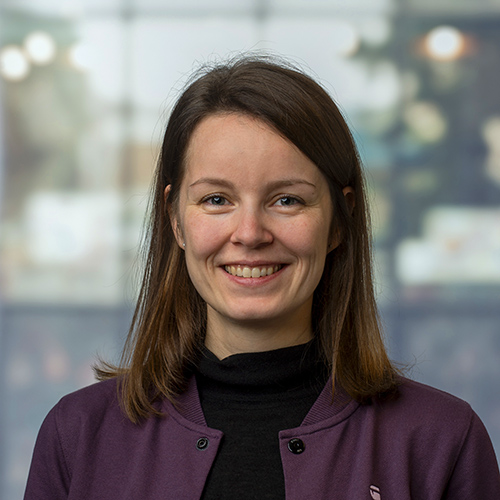
Tessa Bruijne-Oomen
Researcher - TNO
The Dutch manufacturing industry is a cornerstone of the national economy but is facing growing challenges. An aging workforce, labor shortages, and high labor costs are putting pressure on growth, while productivity gains have slowed for years. To remain competitive, significant productivity improvements are needed, with automation and robotization offering the most promising path forward.
Compared to other countries, the Netherlands risks falling behind. Without accelerated action, labor shortages and inefficiencies will create bottlenecks in the short term, widen the competitive gap in the medium term, and threaten the future of parts of the industry in the long term. Advances in AI and declining robot costs are making large-scale robotization increasingly viable. Robots can boost productivity, improve quality, and increase operational flexibility. However, successful adoption requires coordinated action. A national robotization agenda is essential, supported by investments in knowledge, standardization, innovation, and strong links to education and the labor market. For SMEs especially, practical support and accessible financing are critical. The choice is clear: invest now to accelerate adoption or risk structural decline.
Dr. Tessa Bruijne - TNO
Dr. Tessa Bruijne is a researcher specializing in the responsible development, use, and governance of AI. The dynamic relationship between technology, people, and society is at the heart of her work. In her PhD research, she examined the role of communication in AI development and explored how the then-emerging concepts of AI responsibility and trustworthiness influence the work of AI developers.
At TNO, she builds on these insights by addressing topics such as the deployment of Generative AI and the responsible scaling of AI within government organizations. In addition, Tessa works on broader digitalization challenges, including automation and robotization, and studies the impact of digital technologies on people, organizations, and society as a whole.
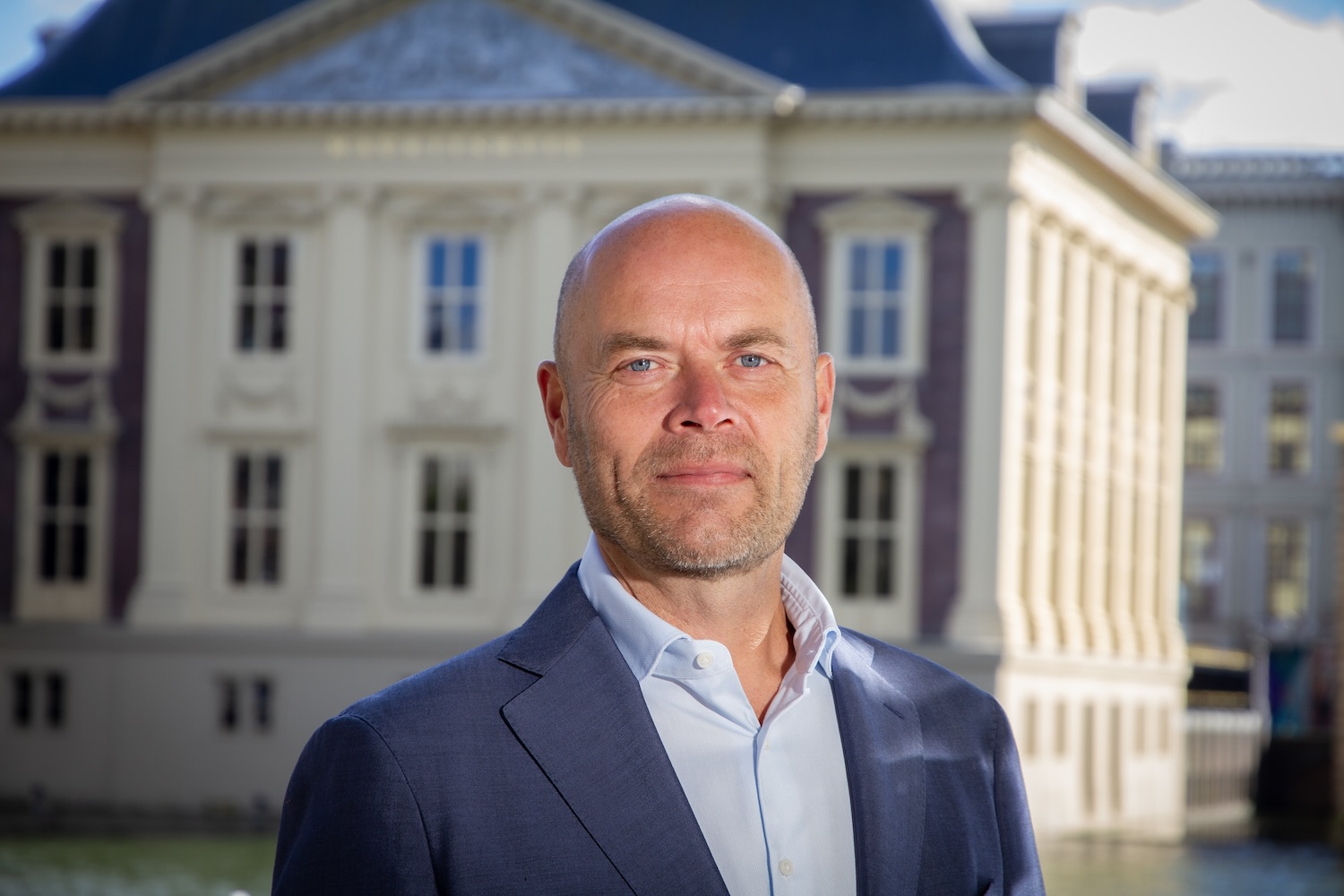
Mathijs Bouman
Mathijs Bouman is an economist and journalist. He is a regular columnist for Het Financieele Dagblad and an editor/economist at Nieuwsuur. In recent years he was regularly seen on RTL-Z, De Wereld Draait Door, Jinek, Pauw, EenVandaag, RTL Late Night and other news and current affairs programmes. Mathijs has been working on the Dutch and international economy for over thirty years, as a teacher, as a scientist, as a stock market commentator, journalist, writer and columnist.
He will reflect on how AI is transforming our economy and labour market, and what this means for the future of work, talent, and competitiveness in the years ahead.
Image: Walter Kallenbach
Opening the afternoon track - AIToday Live
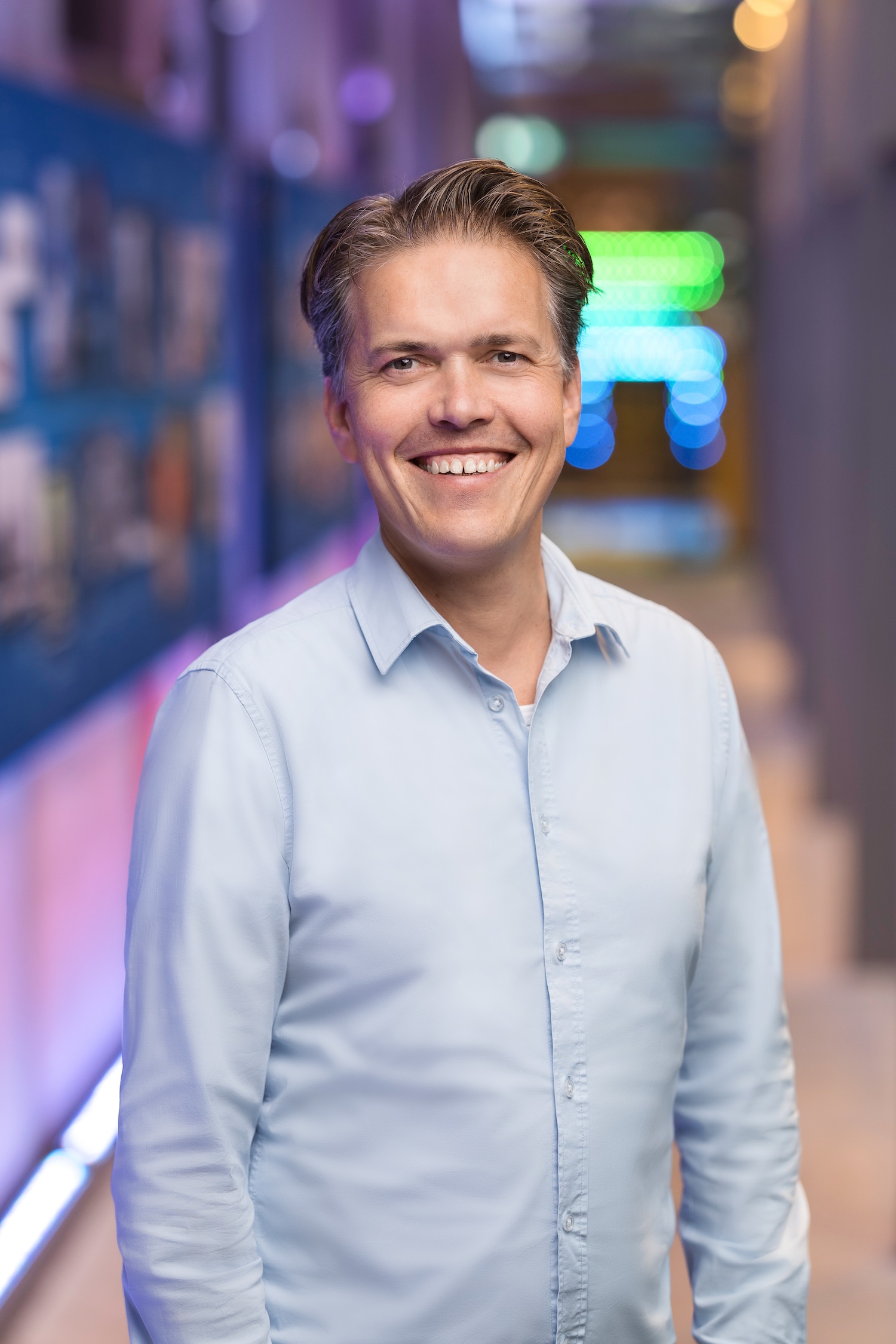
Freek Janssen
Director Philips Museum
Philips’ AI Heritage
While today’s AI hype might make it seem as though we are dealing with a completely new phenomenon, that is far from the case. The term artificial intelligence was first coined more than 70 years ago during the famous Dartmouth Workshop. The Philips Museum is currently hosting an exhibition that explores the long history of AI and the role Philips has played in the development of computer technology, semiconductors, and artificial intelligence.
Recent research into Philips’ contributions led to a striking conclusion: there has hardly been a major development in this field in which Philips did not play a role. Examples include one of the first mainframe computers of the 1950s—the Philips Awfully Fast Calculator (PASCAL), the first silicon-based integrated circuit technology (LOCOS) in the 1960s, and even an early precursor to today’s digital assistants. Introduced in the 2000s, the iCat was, in many ways, a Google Home ahead of its time.
This long history helps put today’s developments into perspective. It is easy to forget that AI has experienced several “AI winters,” periods in which progress slowed dramatically and expectations faded. In fact, during the 1990s Philips preferred to speak of ambient intelligence, as artificial intelligence appeared to have lost its momentum.
This heritage continues to benefit Philips today. In a landscape defined by rapid advances in AI, it can be valuable to understand more than just prompt engineering for generative AI. Expertise in areas such as machine learning and deep learning remains essential for developing advanced AI solutions, particularly in the healthcare sector.
Freek Janssen - Philips Museum
At the site where the Philips Museum now stands, in the heart of Eindhoven, Gerard Philips began producing light bulbs 135 years ago. Today, around 95,000 visitors each year discover the impact Philips has made through its innovations over the decades, from the light bulb to the radio, cassette tape, CD, and AI-driven healthcare solutions. Yet the essence of the company has always remained the same: improving lives through innovation.
Before becoming Director of the Philips Museum, Freek worked as a communications strategist within Philips’ Innovation & Design division, where he was responsible, among other things, for shaping the company’s narrative around innovation and AI.
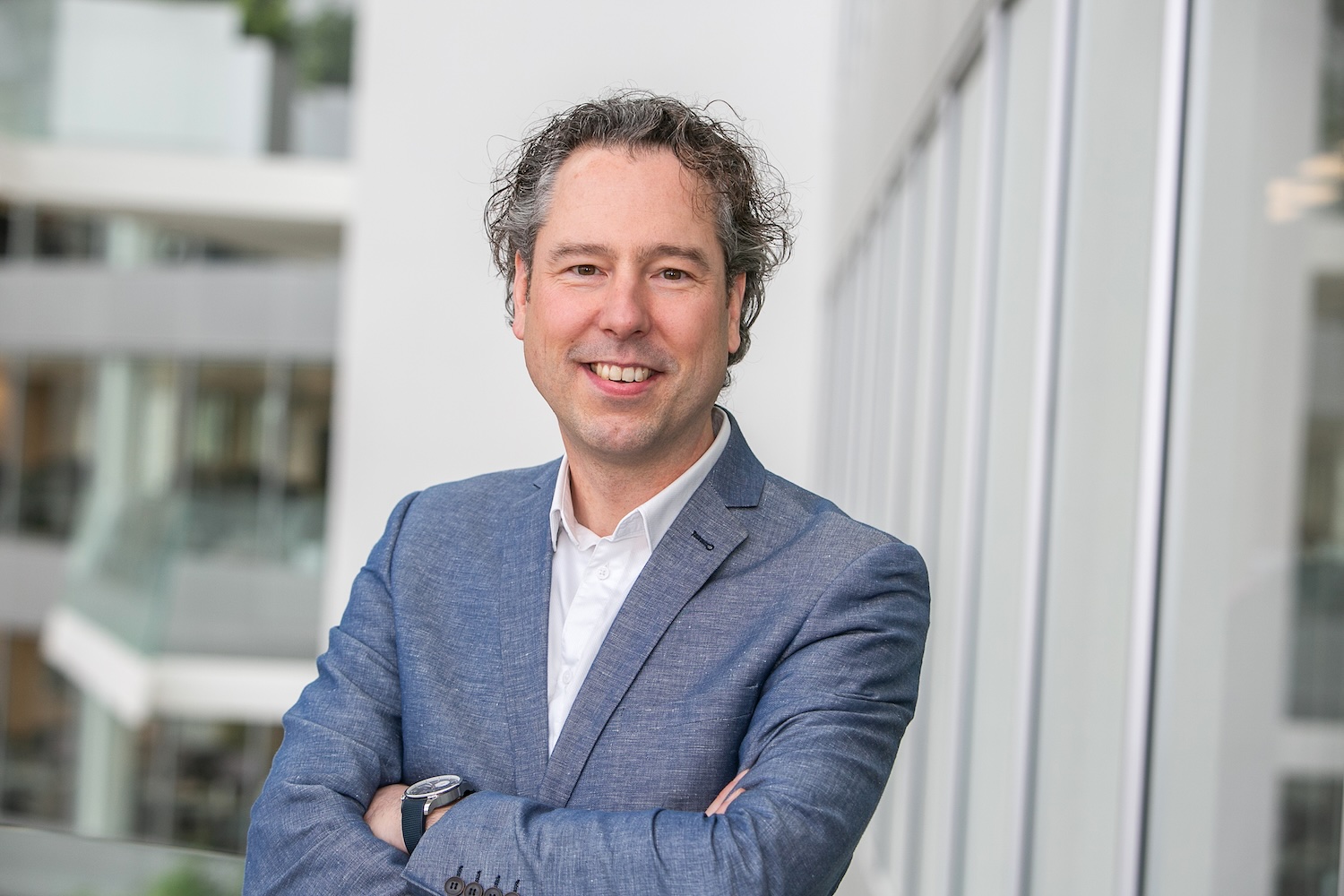
Jeroen Panken
Director Digital Transformation
The 70,000 Missing Colleagues: How Agentic AI Keeps Brainport’s Factories Running
Brainport builds the most advanced machines in the world, yet many of our quotation processes still run on Excel spreadsheets and email. By 2032, this region is expected to face a shortage of 70,000 workers, and according to Rabobank, labour productivity must increase by 50% to sustain economic growth. Another dashboard is not going to solve that problem.
In this keynote, Jeroen Panken explains why Agentic AI is not simply “GenAI 2.0,” but a new type of colleague: a system that is given goals, plans its own actions, communicates with your ERP and CRM systems, and completes tasks with a human in the loop. This is not a technical deep dive, but a practical look at real-world applications.
We will explore three areas where this new colleague is already making a difference today: supporting service engineers in the field, assisting production planners working with Excel-based processes, and collaborating alongside operators on the factory floor. Jeroen shares practical examples from his own experience, including a regional supplier that reduced its quotation process from two weeks to two minutes and is now taking the next step toward an AI agent that actively collaborates with customers in real time.
He will also address the honest reality: what prevents companies from getting started? And how can organisations put the principle of “think big, start small” into practice without having to build an entire AI department?
You will leave with one concrete action you can take at 9:00 a.m. the very next morning—not a good intention, but a genuine first step. Because the theme of this summit is clear: AI at Work. Use It or Lose It.
Jeroen Panken - Deloitte
He is a Director within Deloitte Digital’s Service Excellence practice, helping organizations fundamentally improve their customer service, contact centers, and field service operations through (AI-driven) technology. His specialty is implementing large-scale digital solutions that simultaneously enhance customer experience, increase service margins, and reduce costs.
Throughout his career, he has guided numerous multinational companies across various European countries in their digital transformation journeys. In recent years, he has deliberately focused on family-owned and privately held companies in the high-tech and manufacturing sectors, particularly within the Brainport Eindhoven region.
It is within these supply chains—the backbone of the region’s economy—that he sees every day how digital solutions powered by (Agentic) AI make a real difference, not in theory, but on the shop floor. Driven by this conviction, he works to help the region grow stronger together: delivering practical solutions for real businesses, with measurable impact on service, sales, and production.
"A retirement I haven't given yet"
Joop Snijder
AIToday Live
A short intermezzo
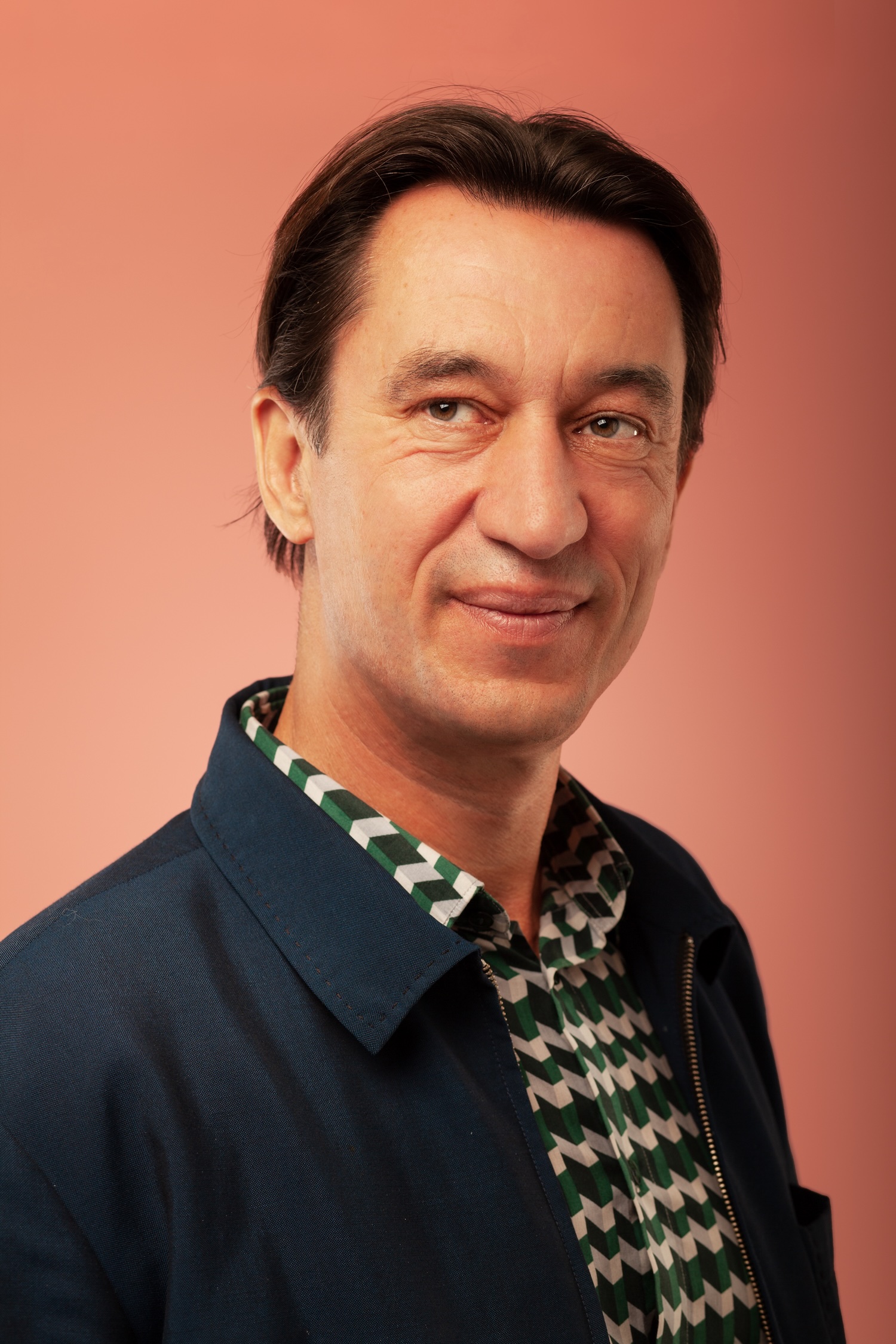
Koert van Mensvoort
Managing Director of the Next Nature Museum
What if technology is our next nature?
Interactive paint, medicinal candy, living technology, and an Energy Belt that charges your phone using your own body fat. Artist, philosopher, scientist, and director of the Next Nature Museum, Dr. Koert van Mensvoort creates speculative designs that spark conversations about the impact of technology on our everyday lives.
His central idea is both simple and profound: technology has become so complex, pervasive, and autonomous that we increasingly experience it as a form of nature in its own right—our Next Nature. Artificial intelligence is a prime example. As AI becomes more integrated into society, truly successful artificial intelligence will ultimately feel as natural and invisible as intelligence itself.
In this inspiring keynote, Van Mensvoort takes the audience on a journey through time, exploring how groundbreaking innovations evolve from strange and unfamiliar concepts into accepted and indispensable parts of daily life. Drawing on examples from art, science, design, and emerging technologies, he demonstrates how the boundaries between nature and technology are becoming increasingly blurred.
With a unique blend of creativity, humour, and future thinking, Van Mensvoort challenges us to look beyond dystopian scenarios and simplistic predictions. Rather than focusing on what could go wrong, he invites us to imagine the future we actually want to create—one in which humans, technology, and the planet can thrive together.
At the intersection of art, science, and innovation, this keynote offers a fresh perspective on AI and technological change, encouraging audiences to rethink their relationship with technology and explore what it means to live in a world where the artificial increasingly feels natural.
Image by: Henri Verhoef
Dr. Koert van Mensvoort - Next Nature
Dr. Koert van Mensvoort is an internationally renowned artist, philosopher, and scientist known for his inspiring vision of the relationship between humans, nature, and technology. He is the founder of the concept of Next Nature: the idea that technology has become so complex, pervasive, and autonomous that it behaves like a new form of nature. Through this perspective, he explores how humans and technology evolve together and how this development can contribute to a future that benefits both humanity and the planet.
As founder of the Next Nature Network and Managing Director of the Next Nature Museum, Van Mensvoort advocates a contemporary view of nature—one that looks forward rather than backward. In 2022, the iconic Evoluon in Eindhoven reopened as the Next Nature Museum, welcoming visitors back to the landmark building after more than three decades.
Van Mensvoort is also a Next Nature Fellow at the Eindhoven University of Technology and a member of the Society of Arts. His work uniquely bridges science, art, design, and philosophy, offering thought-provoking insights into the opportunities and challenges of our rapidly changing technological world.